Tracing Crypto Transaction Patterns Across Mobile Gaming Platforms Popular Among French Users
Jordan Roth · Sep 23, 2026
Tracing Crypto Transaction Patterns Across Mobile Gaming Platforms Popular Among French Users
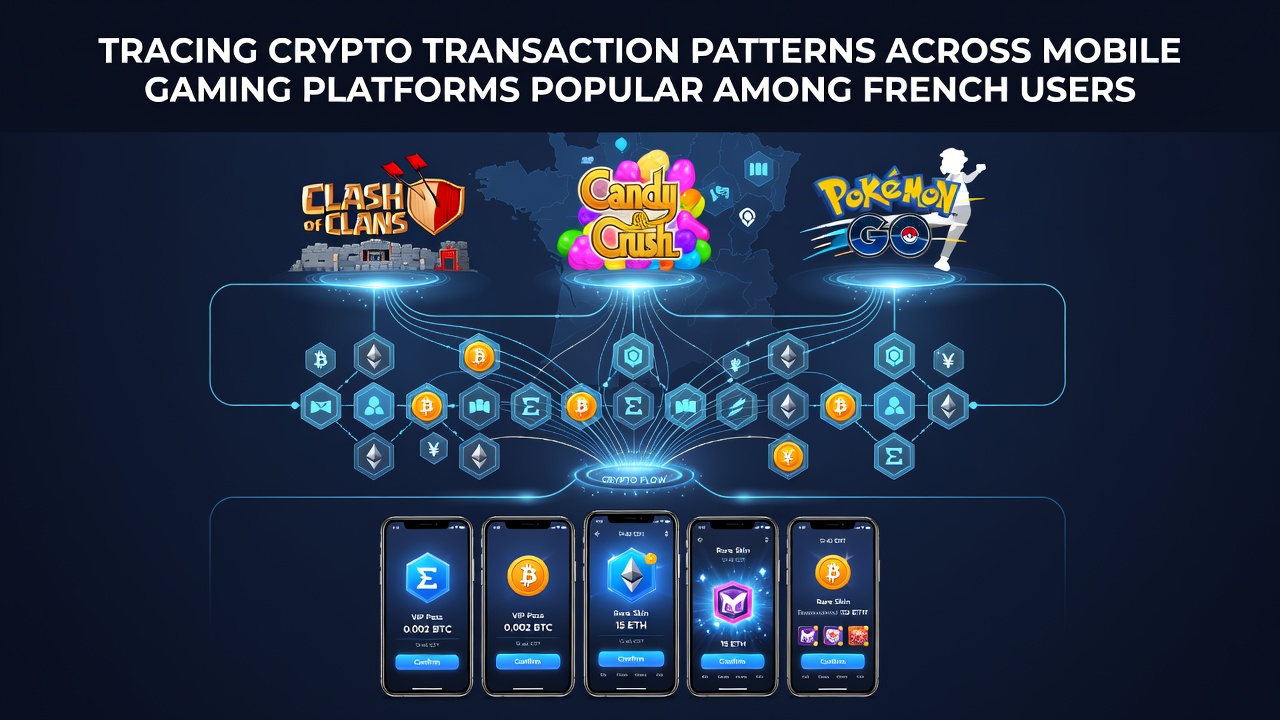
French users have integrated cryptocurrency payments into mobile gaming platforms at a measurable pace, and analysts track these flows through blockchain ledgers that record wallet addresses, timestamps, and transfer amounts. Data from regulatory filings show that transaction volumes on popular titles increased steadily between 2024 and 2026, with peaks appearing during seasonal events and new game releases. Observers note that many French players favor platforms offering both in-game purchases and peer-to-peer betting features, which creates traceable clusters of small, frequent transfers followed by larger consolidations.
Key Platforms and User Demographics
Mobile titles such as those built on Ethereum, Polygon, and Solana networks attract French audiences through localized language support and euro-to-crypto conversion tools. Government statistics released by French authorities indicate that users aged 18 to 35 account for the majority of activity on these platforms, with session lengths averaging 45 minutes during weekday evenings. Researchers have mapped wallet interactions and found that many addresses link back to centralized exchanges popular in Europe before moving into gaming smart contracts.
Observable Transaction Patterns
Blockchain analytics firms document recurring sequences where deposits occur in batches of under 0.1 ETH, followed by rapid in-game spending and occasional withdrawals to new addresses. These patterns differ from traditional payment rails because they leave immutable records that can be clustered by timing and amount. In September 2026, reports compiled from public ledger data revealed a 28 percent rise in cross-wallet transfers among French IP addresses during major esports tournaments hosted on mobile platforms. Analysts use heuristics such as common spending times and round-number amounts to group seemingly unrelated wallets into behavioral profiles.
Tools and Methods for Pattern Analysis
Specialized software examines transaction graphs by applying machine learning models trained on known gambling behaviors. These tools flag mixing services and privacy coins when they appear alongside gaming contracts, although French regulations require licensed operators to maintain know-your-customer records that can connect on-chain activity to verified identities. Academic studies from European research institutions demonstrate that combining on-chain data with off-chain telemetry from app stores improves attribution accuracy by up to 40 percent.
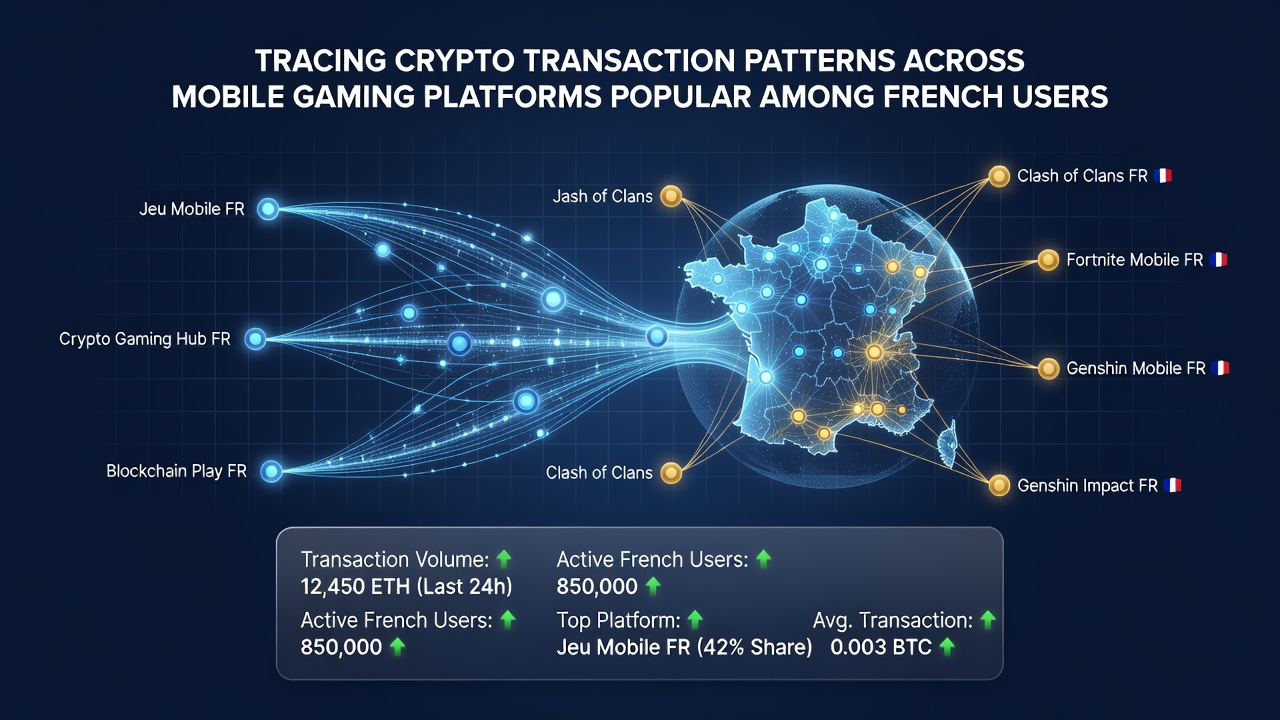
One study conducted across multiple EU member states examined over 1.2 million transactions and identified that French users exhibit shorter holding periods for in-game tokens compared with users in neighboring countries. The same research linked this behavior to regulatory clarity around tax reporting on digital asset gains. When platforms introduce new reward mechanics, transaction spikes appear within hours and then taper over three to five days, creating predictable wave patterns visible on public explorers.
Regulatory Context and Data Sharing
France's gaming oversight body requires operators to report suspicious transaction clusters that may indicate money laundering or underage participation. Autorité Nationale des Jeux guidelines specify that operators must retain records linking wallet addresses to user accounts for at least five years. Cross-border cooperation agreements allow French regulators to request data from operators licensed elsewhere in the EU, which helps trace funds that move through multiple networks. Industry associations in other regions, including the Canadian Gaming Association, have published comparable frameworks that French analysts reference when developing domestic monitoring standards.
Future Monitoring Developments
Upcoming updates to blockchain analysis software are expected to incorporate real-time alerts for French-regulated platforms, enabling faster identification of unusual transfer sequences. Public datasets released quarterly by academic consortia provide baseline statistics against which individual platform activity can be compared. As more mobile titles adopt layer-2 scaling solutions, transaction costs decrease and volume rises, which in turn generates denser datasets for pattern recognition algorithms.
Conclusion
Tracing crypto transaction patterns on French mobile gaming platforms relies on a combination of public ledger analysis, regulatory reporting requirements, and demographic data. Figures released through official channels continue to show measurable growth in activity, while established monitoring techniques allow authorities and researchers to follow fund movements without compromising user privacy protections already embedded in European law. Continued collaboration between operators, regulators, and academic groups supports ongoing refinement of detection methods as network technologies evolve.